

EN
О мероприятии

СОВМЕСТНЫЙ ВЕБИНАР ЕВРАЗИЙСКОГО БАНКА РАЗВИТИЯ и ЭКИСМБАНКА ИНДИИ

ДАТА: 10 сентября 2025 г.

ВРЕМЯ:

14:30 – 15:30 по стандартному времени Индии (IST)
14:00 – 15:00 по времени Алматы
12:00 – 11:00 по времени Москвы (MSK)

Евразийский банк развития и Эксимбанк Индии приглашают на первое совместное мероприятие. Цель вебинара – способствовать преодолению границ между Центральной Азией и Индией.

Объемы торговли между Индией и Центральной Азией постоянно растут. Однако важно признать, что потенциал торговых отношений в настоящее время остается не реализованным в полной мере. Взаимные инвестиции – еще одно крайне перспективное направление взаимодействия. Индия и Центральная Азия могут добиться большего путем развития торговли, инвестиций и финансов.

Мероприятие будет интересно предприятиям из стран Центральной Азии и Индии, которые стремятся расширить свои торговые и инвестиционные возможности, а также представителям СМИ, международных финансовых организаций и государственных органов. 

Вебинар начнется с выступлений руководителей двух банков, после чего будет представлен совместный аналитический доклад. У участников будет возможность обменяться опытом и мнениями о потенциале взаимных инвестиций, которые могли бы способствовать развитию торговли между Индией и странами Центральной Азии.

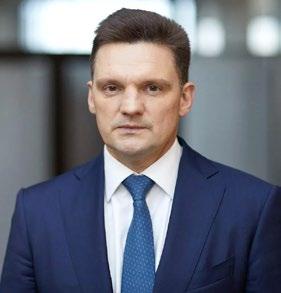
Вместе с нашими коллегами из Эксимбанка Индии мы считаем, что Индия и Центральная Азия обладают значительным потенциалом для развития торговли, инвестиций и финансового сотрудничества. Экономика Центральной Азии растет быстрее, чем формирующиеся рынки и мировая экономика в целом. С 2000 года совокупный ВВП стран Центральной Азии увеличился более чем в 10 раз. Они обладают огромным потенциалом для развития торговли и инвестиций с Индией. Одним из ключевых решений может стать развитие Международного транспортного коридора Север–Юг, который создает новые возможности для экономического сотрудничества между Индией и Центральной Азией. Крупномасштабные инфраструктурные проекты требуют совместных усилий правительств, бизнеса, экспертного сообщества и международных финансовых организаций
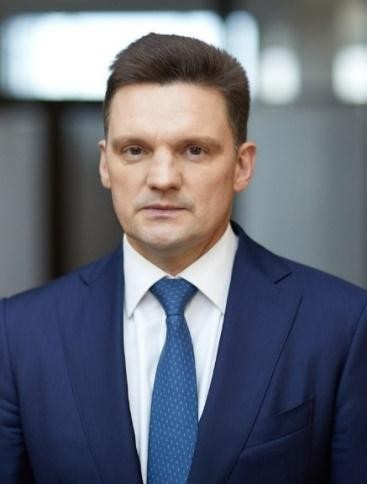
Николай Подгузов
Председатель Правления ЕАБР

Изобилие природных ресурсов в республиках Центральной Азии открывает широкие возможности, особенно в тех отраслях, через которые реализуются уникальные преимущества Центральной Азии. Инвестиции в транспортно-логистическую инфраструктуру Центральной Азии – важнейшего связующего звена между континентами – очень перспективны. При содействии Эксимбанка Индии индийские экспортеры заключают экспортные контракты по проектам развития инфраструктуры, производства и передачи электроэнергии в таких странах Центральной Азии, как Казахстан, Таджикистан и Туркменистан, способствуя экономическому развитию этих государств. Эксимбанк Индии готов и дальше поддерживать усилия индийских компаний по выходу на международный уровень и расширению их присутствия в странах-партнерах
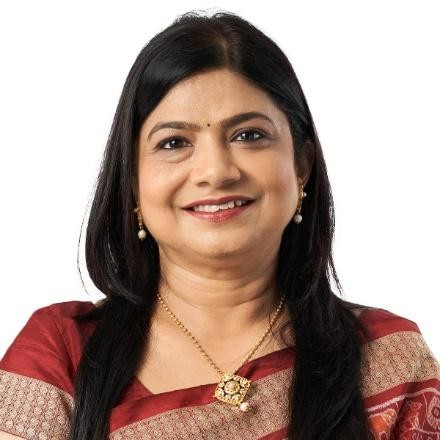
Харша Бангари
управляющий директор, Эксимбанк Индии
Спикеры
Николай Подгузов

Г-н Николай ПОДГУЗОВ

Председатель Правления

Евразийский банк развития

Ms. Harsha BANGARI

Г-жа Харша БАНГАРИ

Управляющий директор

Эксимбанк Индии

Mr. Madi Aldanazarov

Г-н Мади АЛДАНАЗАРОВ

Старший специалист, Дирекция по аналитической работе

Евразийский банк развития
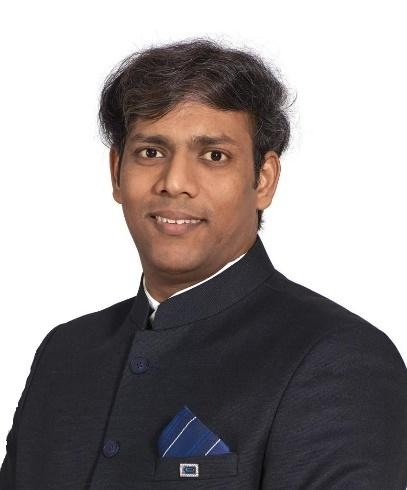
Dr. Viswanath Jandhyala

Д-р Вишванат ДЖАНДХЬЯЛА

Заместитель генерального менеджера

Эксимбанк Индии

Ms. Olga GAPONOVA

Г-жа Ольга ГАПОНОВА

Руководитель отдела торгового финансирования

Евразийский банк развития
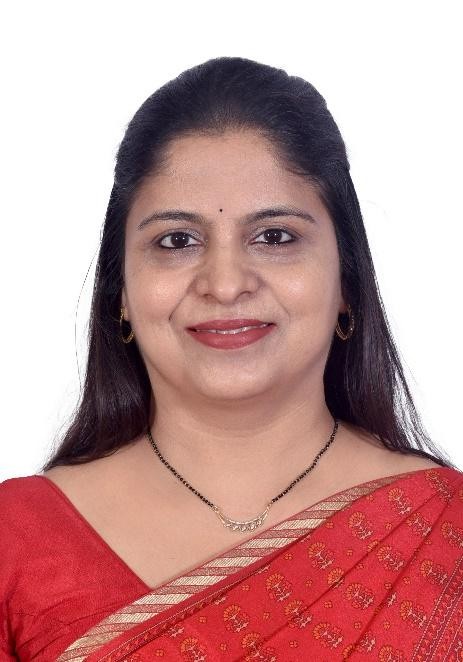
Ms. Trupti MHATRE

Г-жа Трупти МХАТРЕ

Генеральный менеджер, группа по содействию торговле

Эксимбанк Индии

Ms. Anastasia MEDVEDEVA

Модератор: Г-жа Анастасия МЕДВЕДЕВА

Менеджер по международным внешним связям

Евразийский банк развития
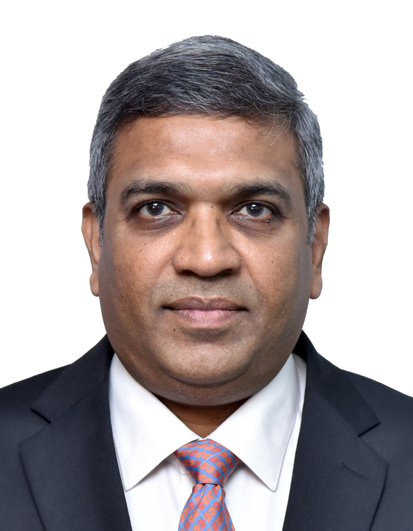
Mr. T. D. Sivakumar

Благодарственное слово: Г-на Т. Д. СИВАКУМАР

Главный генеральный менеджер

Эксимбанк Индии

Программа
10 сентября
14:30 IST
14:00 Алматы
12:00 Москва
Сбор участников. Открытие вебинара
14:35 IST
14:05 Алматы
12:05 Москва
Приветственное слово: г-н Николай Подгузов, председатель Правления ЕАБР, и г-жа Харша Бангари, управляющий директор Эксимбанка Индии
14:45 IST
14:15 Алматы
12:15 Москва
Презентация совместной публикации «Оценка торговых и инвестиционных отношений между Индией и Центральной Азией: извлечение экономических выгод»
12:20 Москва
14:50 IST
14:20 Алматы
Краткая презентация от специалистов Эксимбанка Индии и ЕАБР основных выводов совместного доклада: д-р Вишванат Джандхьяла, заместитель генерального менеджера, Эксимбанк Индии, и г-н Мади Алданазаров, старший специалист, Дирекция по аналитической работе, ЕАБР
12:40 Москва
15:10 IST
14:40 Алматы
Торговое финансирование как фактор развития торговли между Индией и Центральной Азией: г-жа Ольга Гапонова, руководитель отдела торгового финансирования, ЕАБР, и г-жа Трупти Мхатре, генеральный менеджер, группа по содействию торговле, Эксимбанк Индии.
13:00 Москва
15:30 IST
15:00 Алматы
Вопросы и ответы
13:10 Москва
15:40 IST
15:10 Алматы
Благодарственное слово от г-на Т. Д. СИВАКУМАРА, главного генерального менеджера, Эксимбанк Индии

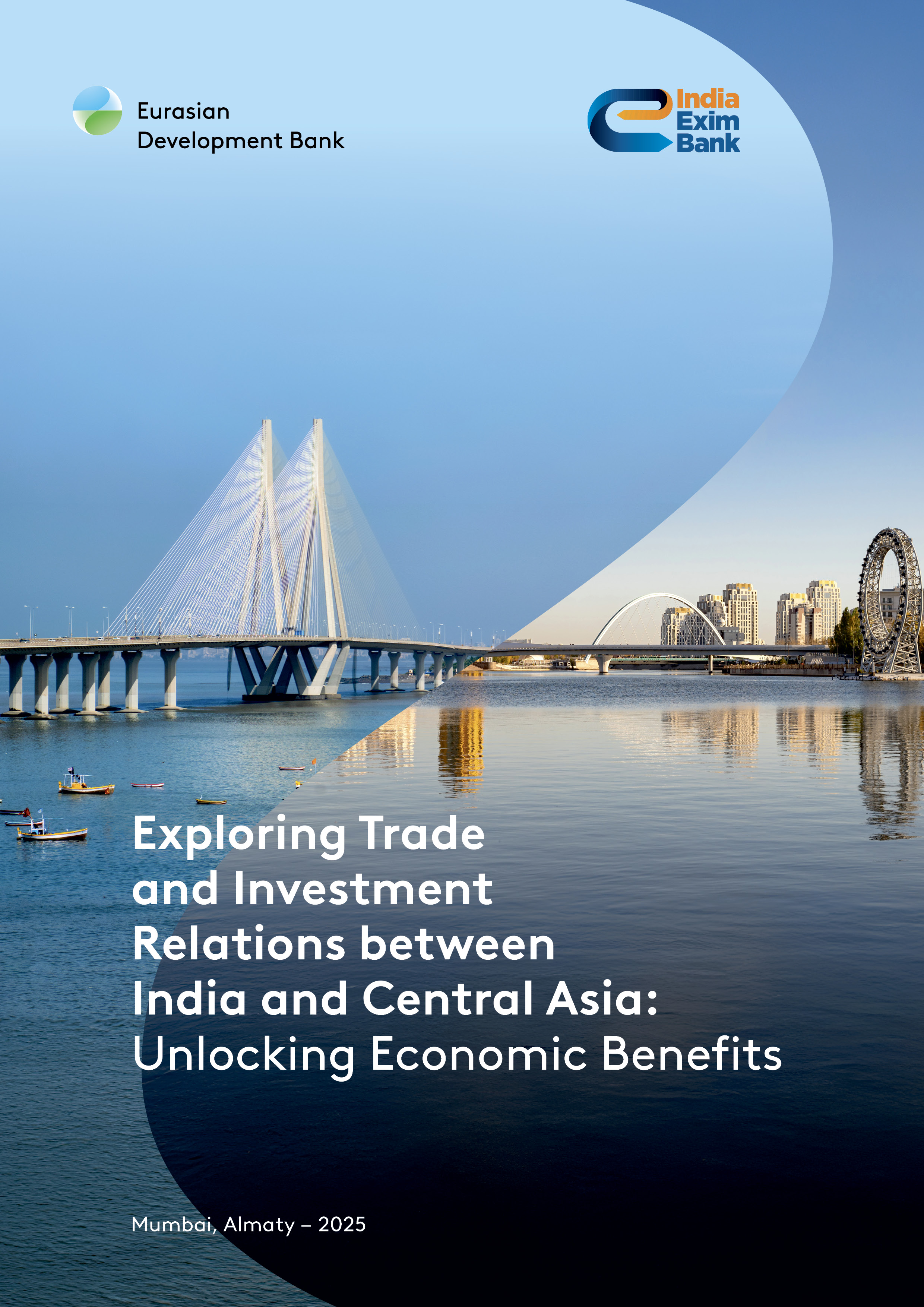
Вебинар посвящен выпуску совместного аналитического доклада ЕАБР и Эксимбанка Индии «Оценка торговых и инвестиционных отношений между Индией и Центральной Азией: извлечение экономических выгод».    Полный текст документа будет опубликован в разделе «Аналитика» на сайте ЕАБР и на сайте Эксимбанка Индии 10 сентября. 

Эксимбанк Индии

events@eximbankindia.in

+91 (22) 2217 2860

Пресс-центр ЕАБР:

+7 (727) 244 40 44, доб. 4774 и 2160

pressa@eabr.org

http://eabr.org

contact information image
Контактная информация
Мы готовы ответить на любой ваш вопрос по телефону или Email.
Session: The Eurasian Transport Network: Potential, Challenges and Solutions
Thursday, June 27th
10:00 - 11:30
About the session

The synergy of international transport corridors and routes within the Eurasian Transport Network (ETN) is ensured not through competition, but rather through connection and complementarity of those routes.

While transit traffic between Europe and Asia is significant and cost-effective, the internal economic and trade connectivity provided by the ETN in Central Asia and the South Caucasus is even more crucial. In the region’s landlocked countries, new transportation options lead to increased trade, job creation, tax revenues, human mobility and associated multiplier effects.

Container shipping is the most sought-after and effective mode, facilitating high-value freight transportation along the ETN. International efforts should focus on promoting container services and infrastructure in the region.

The development of transport infrastructure yields significant socioeconomic effects, but is hindered by various administrative barriers, especially regarding intercountry interactions. Key to addressing these challenges is fostering interaction and harmonised positions across all stakeholders, with the active participation of international development institutions involved in such initiatives.

Session: Water, Energy and Food in Central Asia: Partnerships and Projects for Sustainable Development
Thursday, June 27th
12:30 - 14:00
About the session

Water, energy and food are key components of sustainable economic development, with undeniable interdependence. It is impossible to generate hydroelectric power without water or to supply water to water-scarce regions without energy, and food production depends on both resources.

The water, energy and food nexus directly impacts achievement of the United Nations’ SDGs 2, 6 and 7 (food, water and energy security). Furthermore, it indirectly 4 influences SDGs 11 and 12 (sustainable cities and responsible production and consumption).

Water scarcity is already having a profound impact on economic development in Central Asia, reshaping various sectors. Water, energy and food security stand among the region’s top long-term development priorities. Addressing the water, energy and food nexus requires optimised resource usage, enhanced efficiency, political coherence and joint management of transboundary water resources by all Central Asian countries.

This challenge particularly impacts agriculture. The sector is a major employer, relies on irrigated farming, consumes up to 90% of available water, and exhibits low water use efficiency. Despite considerable irrigation infrastructure, its deterioration and outdated operational principles result in substantial water losses. The irrigation infrastructure is over 50 years old, and 40% of the water is lost through irrigation canals. Water shortages are exacerbated by the countries’ outdated energy system, requiring additional water storage in reservoirs during spring and summer for efficient power generation in winter. However, this process conflicts with summer water demands for irrigation.

Session: Digital Technology and Innovations for Eurasia
Friday, June 28th
15:30 - 17:00
About the session

As part of its programmatic and strategic activities, the Eurasian Development Bank stands out as the only development institution in Eurasia with a dedicated focus on supporting national digital transformation and fostering digital cooperation for cross-border integration.

The EDB and its Fund for Digital Initiatives direct their efforts toward bolstering national and integrative digital competencies through grants, loans and equity participation.

In addition, the EDB is actively working to implement venture capital financing. Venture financing enables support for startups, whose funding through conventional banking models is often challenging due to the specifics of this domain. This direction is quite important, as many development institutions and banks provide support to startups through venture capital instruments. Notably, the European Bank for Reconstruction and Development and the World Bank Group extensively utilise venture capital methods.

Another important tool in advancing digital transformation is the project approach based on the following principle: problem – problem formulation – project design/solution – project financing and implementation – policy formulation for scaling up outcomes. Successful digital projects and their scalability substantially reduce transaction costs for new entrants, enabling them to benefit from projects without significant capital investment in the problem identification and solution development cycle.

Session: Islamic Finance in Central Asia
Thursday, June 27th
10:00 - 11:30
About the session

As of the beginning of 2024, global Islamic finance assets totalled approximately US $4.0 trillion, constituting almost 2% of global banking sector assets.

The segment is experiencing rapid growth, with Islamic assets globally expanding at an average annual rate of 10.5% between 2015 and 2021, compared to 5.8% for conventional financial assets.

Islamic banks operate in over 40 countries. In most nations with developed Islamic finance, it coexists effectively with conventional finance. Besides the Gulf and Southeast Asian countries, Europe and North Africa are witnessing active 3 development of Islamic finance. The UK is Europe’s largest market and leader in Islamic banking (US $7.5 billion in assets).

In the Central Asian countries, the Islamic finance sector is in its nascent stage, with Islamic financial instruments accounting for 0.2% to 1.5% of banking assets. The sector’s structure is still evolving. Kazakhstan leads the region in Islamic finance development, representing 68% of all Islamic finance in the Central Asian countries.

A crucial element of the Islamic finance infrastructure is the presence of international development institutions, which serve as knowledge conduits and benchmarks for investment in the region. The Islamic Development Bank (IDB) Group provides development finance to the public and private sectors.

Plenary Session: Collaboration of MDBs: Addressing Global Challenges through Local Lenses
Wednesday, June 26th
10:00 - 11:30
About the session

The role, weight and importance of emerging markets and developing economies in the global economy are rapidly increasing – today, they account for 58% of the world’s GDP and 85% of its population. However, their growth prospects are not without challenges, as these countries increasingly need additional funding to develop sustainably. The total need for infrastructure financing until 2040 is estimated at nearly US $40 trillion. The growing financing gap impedes the construction and modernisation of essential infrastructure such as roads, railways, electricity and water supply. Multilateral development banks (MDBs) must step in to assist.

Globalisation processes present common challenges, yet, the world operates in a “glocal” mode, with each region having its specific characteristics. Acknowledging these specifics is crucial for effective economic strategies. The EDB proposes discussing several challenges that are global in nature but are applicable to many developing economies. In addition, we would like to do this through the regional “lenses” of Central Asia.

Strengthening the role and significance of MDBs is a top priority of the G20 agenda. The G20’s International Financial Architecture Working Group (IFAWG) is working toward this objective. This year, the G20 established a dedicated group on MDBs (IFA-MDB). In September 2023, G20 leaders urged MDBs to undertake a comprehensive effort to reshape their vision, incentive structures, operational approaches and financial capabilities to maximise their impact in addressing global challenges, in alignment with their mandate and commitment to help achieve the Sustainable Development Goals. Addressing global challenges requires the 2 involvement of all members of the MDB system. The family of international financial institutions, typically associated with major financial entities, will be more effective as an integrated system with horizontal and vertical linkages. It is crucial to ensure that MDB collaboration at all levels – global, regional and subregional – is complementary.

1
Задайте свой вопрос
This email is already registered
Задать вопрос
Ваш вопрос принят
Спасибо!

В ближайшее время спикеры ответят на ваш вопрос.

Закрыть