RU
About the event

A JOINT WEBINAR of the EURASIAN DEVELOPMENT BANK and the INDIA EXIM BANK.

DATE: September 10th 2025

TIME:

14:30 – 15:30 India Standard Time (IST)
14:00 – 15:00 Almaty
09:00 – 10:00 GMT

The Eurasian Development Bank and India Exim Bank are inviting to their first joint event. It is an opportunity to contribute to bridging borders between Central Asia and India.

Trade between India and Central Asia has grown consistently. Nevertheless, it is important to recognise that they are currently 'under-trading' relative to their potential. Mutual investment also shows great promise and potential. India and Central Asia could achieve more through trade, investment and finance.

This event will be of interest to companies from Central Asia and India looking to expand trade and investment opportunities, as well as to media representatives, international financial institutions, and government authorities.

The webinar will consist of welcome speeches by the heads of the banks involved, followed by a presentation of a joint analytical report. There will also be an opportunity to exchange experiences and views on the potential of mutual investments which could contribute to trade development between India and Central Asia.

Together with our colleagues at the India Exim Bank, we believe that India and Central Asia have significant potential for trade, investment and financial cooperation. Central Asian economy is growing faster than the emerging markets and the global economy as a whole. Since 2000, the total GDP of the Central Asian countries has increased more than 10 times. They have vast potential to trade and invest with India. One of the key solutions could be the development of the International North-South Transport Corridor, which is creating new opportunities for economic cooperation between India and Central Asia. Large scaled infrastructure projects require joint efforts of governments, businesses, expert community, and international financial organizations.'
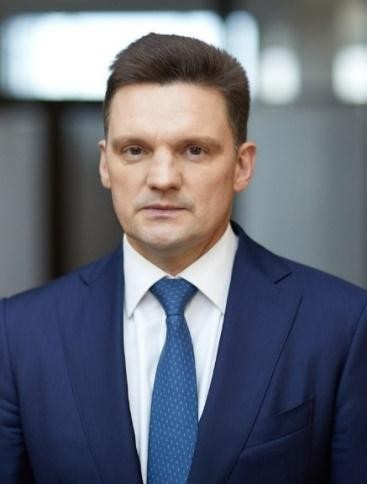
Nikolai Podguzov
Chairman of the EDB Management Board

The abundance of natural resources in the Central Asian Republics presents a wealth of opportunities, particularly in sectors that align with Central Asia’s unique strengths. Investments in logistics and transportation infrastructure, capitalizing on Central Asia’s position as a crucial link between continents, hold immense promise. With the assistance of India Exim Bank, Indian project exporters have secured project export contracts comprising infrastructure development and power generation and transmission projects in countries such as Kazakhstan, Tajikistan, and Turkmenistan in Central Asia, contributing to economic development in host countries. India Exim Bank remains committed in its pursuit to support Indian companies in their internationalization endeavors and in expanding their presence in partner countries
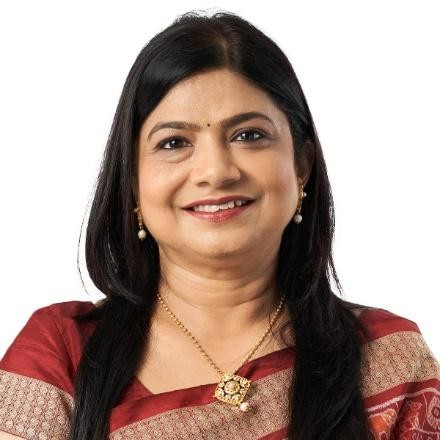
Ms. Harsha Bangari
Managing Director, Export-Import Bank of India
Speakers
Николай Подгузов

Mr. Nikolai Podguzov

Chairman of the Management Board

Eurasian Development Bank (EDB)

Ms. Harsha BANGARI

Ms. Harsha Bangari

Managing Director

India Exim Bank

Mr. Madi Aldanazarov

Mr. Madi Aldanazarov

Senior Specialist, Research Department

Eurasian Development Bank
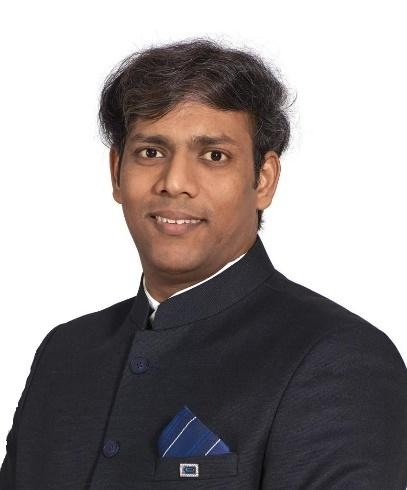
Dr. Viswanath Jandhyala

Dr. Viswanath Jandhyala

Deputy General Manager

India Exim Bank

Ms. Olga GAPONOVA

Ms. Olga Gaponova

Head of Trade Finance

Eurasian Development Bank
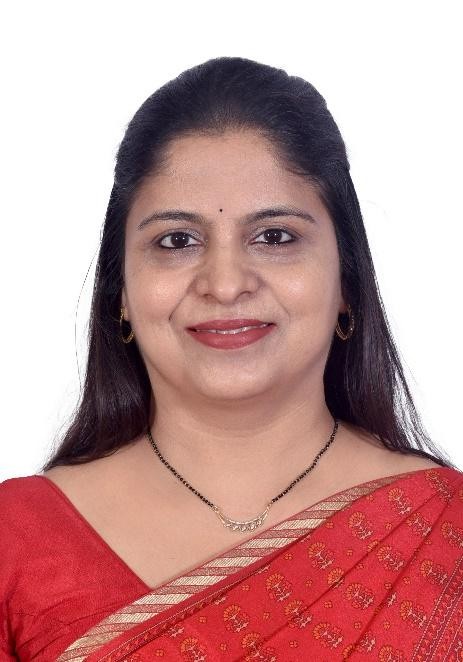
Ms. Trupti MHATRE

Ms. Trupti Mhatre

General Manager, Trade Facilitation Group

India Exim Bank

Ms. Anastasia MEDVEDEVA

Moderator: Ms. Anastasia Medvedeva

Manager, International External Relations

Eurasian Development Bank
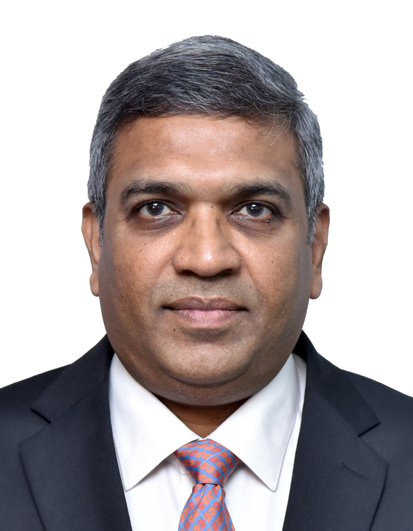
Mr. T. D. Sivakumar

Vote of Thanks: Mr. T. D. Sivakumar

International Relations Group, Chief General Manager

India Exim Bank

Programme
September 10th
14:30 IST
14:00 Almaty
09:00 GMT
Gathering of participants. Opening of the Webinar.
14:35 IST
14:05 Almaty
09:05 GMT
Welcome speeches by Mr Nikolai Podguzov, the Chairman of the EDB Management Board, and Ms. Harsha Bangari, Managing Director, India Exim Bank.
14:45 IST
14:15 Almaty
09:15 GMT
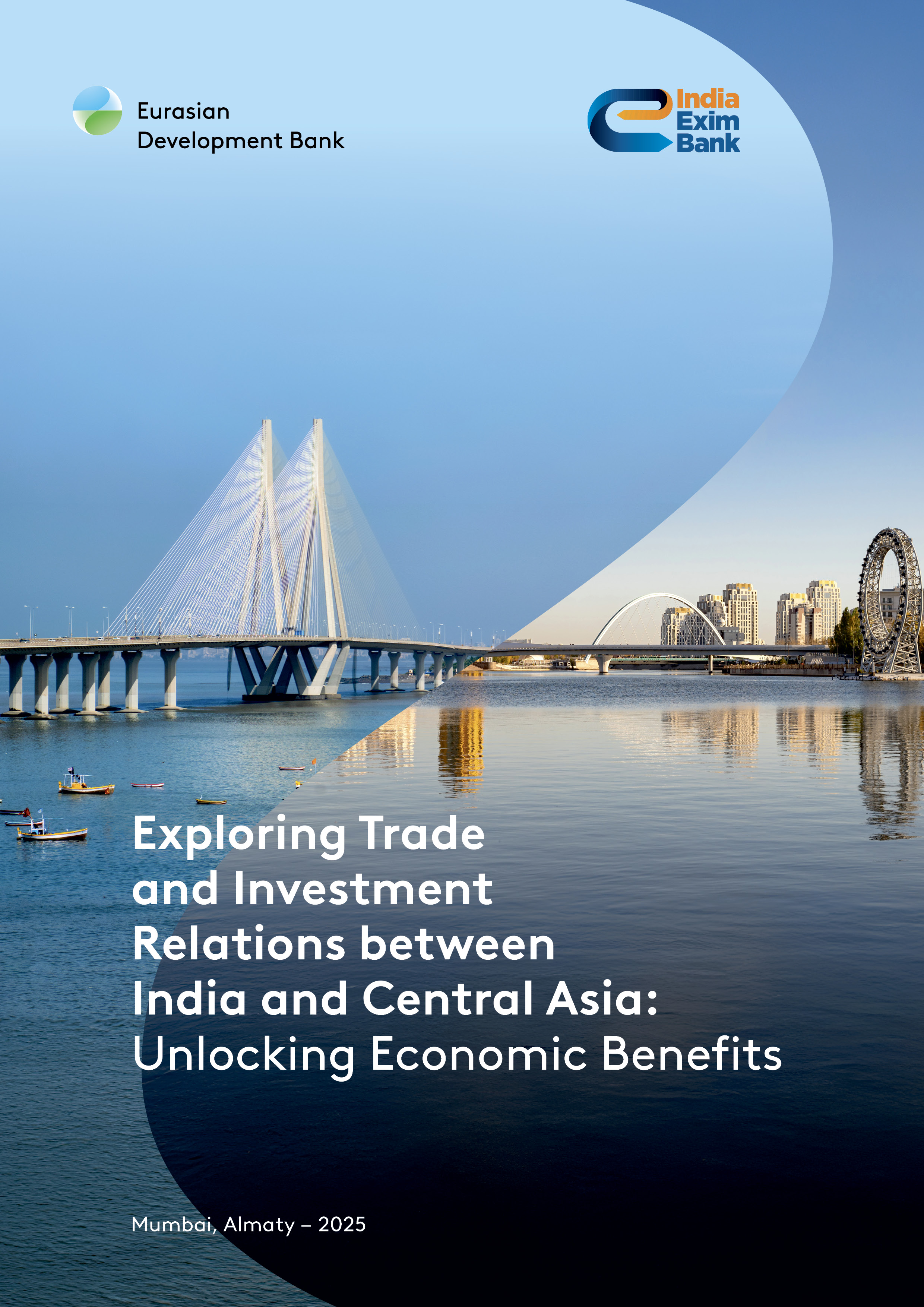
Release of Joint Publication "Exploring Trade and Investment Relations between India and Central Asia: Unlocking Economic Benefits".
14:50 IST
14:20 Almaty
09:20 GMT
Brief presentation by India Exim Bank and EDB key findings of the joint report by Dr. Viswanath Jandhyala, Deputy General Manager, Research and Analysis Group, India Exim Bank and Mr. Madi Aldanazarov, Senior Specialist, Research Department, EDB.
15:10 IST
14:40 Almaty
09:40 GMT
Trade Finance as an Enabler to India-Central Asia Trade by Ms. Olga Gaponova, Head of Trade Finance, EDB, and Ms. Trupti Mhatre, General Manager, Trade Facilitation Group, India Exim Bank.
15:30 IST
15:00 Almaty
10:00 GMT
Q&A Session
15:40 IST
15:10 Almaty
10:10 GMT
Vote of Thanks by Mr. T. D. SIVAKUMAR Chief General Manager, India Exim Bank

This webinar is dedicated to release of the joint analytical report "Exploring Trade and Investment Relations between India and Central Asia: Unlocking Economic Benefits" of the EDB and India Exim Bank. The full document will be published on the Analytics page of the EDB’s website and India Exim Bank’s website on September 10th


India Exim Bank

events@eximbankindia.in

+91 (22) 2217 2860

The EDB Media Centre:

+7 (727) 244 40 44, ext. 4774 and 2160

pressa@eabr.org

https://eabr.org

contact information image
Contact information
We are ready to answer any of your questions by phone or Email.
Session: The Eurasian Transport Network: Potential, Challenges and Solutions
Thursday, June 27th
10:00 - 11:30
About the session

The synergy of international transport corridors and routes within the Eurasian Transport Network (ETN) is ensured not through competition, but rather through connection and complementarity of those routes.

While transit traffic between Europe and Asia is significant and cost-effective, the internal economic and trade connectivity provided by the ETN in Central Asia and the South Caucasus is even more crucial. In the region’s landlocked countries, new transportation options lead to increased trade, job creation, tax revenues, human mobility and associated multiplier effects.

Container shipping is the most sought-after and effective mode, facilitating high-value freight transportation along the ETN. International efforts should focus on promoting container services and infrastructure in the region.

The development of transport infrastructure yields significant socioeconomic effects, but is hindered by various administrative barriers, especially regarding intercountry interactions. Key to addressing these challenges is fostering interaction and harmonised positions across all stakeholders, with the active participation of international development institutions involved in such initiatives.

Session: Water, Energy and Food in Central Asia: Partnerships and Projects for Sustainable Development
Thursday, June 27th
12:30 - 14:00
About the session

Water, energy and food are key components of sustainable economic development, with undeniable interdependence. It is impossible to generate hydroelectric power without water or to supply water to water-scarce regions without energy, and food production depends on both resources.

The water, energy and food nexus directly impacts achievement of the United Nations’ SDGs 2, 6 and 7 (food, water and energy security). Furthermore, it indirectly 4 influences SDGs 11 and 12 (sustainable cities and responsible production and consumption).

Water scarcity is already having a profound impact on economic development in Central Asia, reshaping various sectors. Water, energy and food security stand among the region’s top long-term development priorities. Addressing the water, energy and food nexus requires optimised resource usage, enhanced efficiency, political coherence and joint management of transboundary water resources by all Central Asian countries.

This challenge particularly impacts agriculture. The sector is a major employer, relies on irrigated farming, consumes up to 90% of available water, and exhibits low water use efficiency. Despite considerable irrigation infrastructure, its deterioration and outdated operational principles result in substantial water losses. The irrigation infrastructure is over 50 years old, and 40% of the water is lost through irrigation canals. Water shortages are exacerbated by the countries’ outdated energy system, requiring additional water storage in reservoirs during spring and summer for efficient power generation in winter. However, this process conflicts with summer water demands for irrigation.

Session: Digital Technology and Innovations for Eurasia
Friday, June 28th
15:30 - 17:00
About the session

As part of its programmatic and strategic activities, the Eurasian Development Bank stands out as the only development institution in Eurasia with a dedicated focus on supporting national digital transformation and fostering digital cooperation for cross-border integration.

The EDB and its Fund for Digital Initiatives direct their efforts toward bolstering national and integrative digital competencies through grants, loans and equity participation.

In addition, the EDB is actively working to implement venture capital financing. Venture financing enables support for startups, whose funding through conventional banking models is often challenging due to the specifics of this domain. This direction is quite important, as many development institutions and banks provide support to startups through venture capital instruments. Notably, the European Bank for Reconstruction and Development and the World Bank Group extensively utilise venture capital methods.

Another important tool in advancing digital transformation is the project approach based on the following principle: problem – problem formulation – project design/solution – project financing and implementation – policy formulation for scaling up outcomes. Successful digital projects and their scalability substantially reduce transaction costs for new entrants, enabling them to benefit from projects without significant capital investment in the problem identification and solution development cycle.

Session: Islamic Finance in Central Asia
Thursday, June 27th
10:00 - 11:30
About the session

As of the beginning of 2024, global Islamic finance assets totalled approximately US $4.0 trillion, constituting almost 2% of global banking sector assets.

The segment is experiencing rapid growth, with Islamic assets globally expanding at an average annual rate of 10.5% between 2015 and 2021, compared to 5.8% for conventional financial assets.

Islamic banks operate in over 40 countries. In most nations with developed Islamic finance, it coexists effectively with conventional finance. Besides the Gulf and Southeast Asian countries, Europe and North Africa are witnessing active 3 development of Islamic finance. The UK is Europe’s largest market and leader in Islamic banking (US $7.5 billion in assets).

In the Central Asian countries, the Islamic finance sector is in its nascent stage, with Islamic financial instruments accounting for 0.2% to 1.5% of banking assets. The sector’s structure is still evolving. Kazakhstan leads the region in Islamic finance development, representing 68% of all Islamic finance in the Central Asian countries.

A crucial element of the Islamic finance infrastructure is the presence of international development institutions, which serve as knowledge conduits and benchmarks for investment in the region. The Islamic Development Bank (IDB) Group provides development finance to the public and private sectors.

Plenary Session: Collaboration of MDBs: Addressing Global Challenges through Local Lenses
Wednesday, June 26th
10:00 - 11:30
About the session

The role, weight and importance of emerging markets and developing economies in the global economy are rapidly increasing – today, they account for 58% of the world’s GDP and 85% of its population. However, their growth prospects are not without challenges, as these countries increasingly need additional funding to develop sustainably. The total need for infrastructure financing until 2040 is estimated at nearly US $40 trillion. The growing financing gap impedes the construction and modernisation of essential infrastructure such as roads, railways, electricity and water supply. Multilateral development banks (MDBs) must step in to assist.

Globalisation processes present common challenges, yet, the world operates in a “glocal” mode, with each region having its specific characteristics. Acknowledging these specifics is crucial for effective economic strategies. The EDB proposes discussing several challenges that are global in nature but are applicable to many developing economies. In addition, we would like to do this through the regional “lenses” of Central Asia.

Strengthening the role and significance of MDBs is a top priority of the G20 agenda. The G20’s International Financial Architecture Working Group (IFAWG) is working toward this objective. This year, the G20 established a dedicated group on MDBs (IFA-MDB). In September 2023, G20 leaders urged MDBs to undertake a comprehensive effort to reshape their vision, incentive structures, operational approaches and financial capabilities to maximise their impact in addressing global challenges, in alignment with their mandate and commitment to help achieve the Sustainable Development Goals. Addressing global challenges requires the 2 involvement of all members of the MDB system. The family of international financial institutions, typically associated with major financial entities, will be more effective as an integrated system with horizontal and vertical linkages. It is crucial to ensure that MDB collaboration at all levels – global, regional and subregional – is complementary.

1
Ask your question
This email is already registered
Send
Your question has been accepted
Thank you!

The speakers will answer your question shortly.

Close